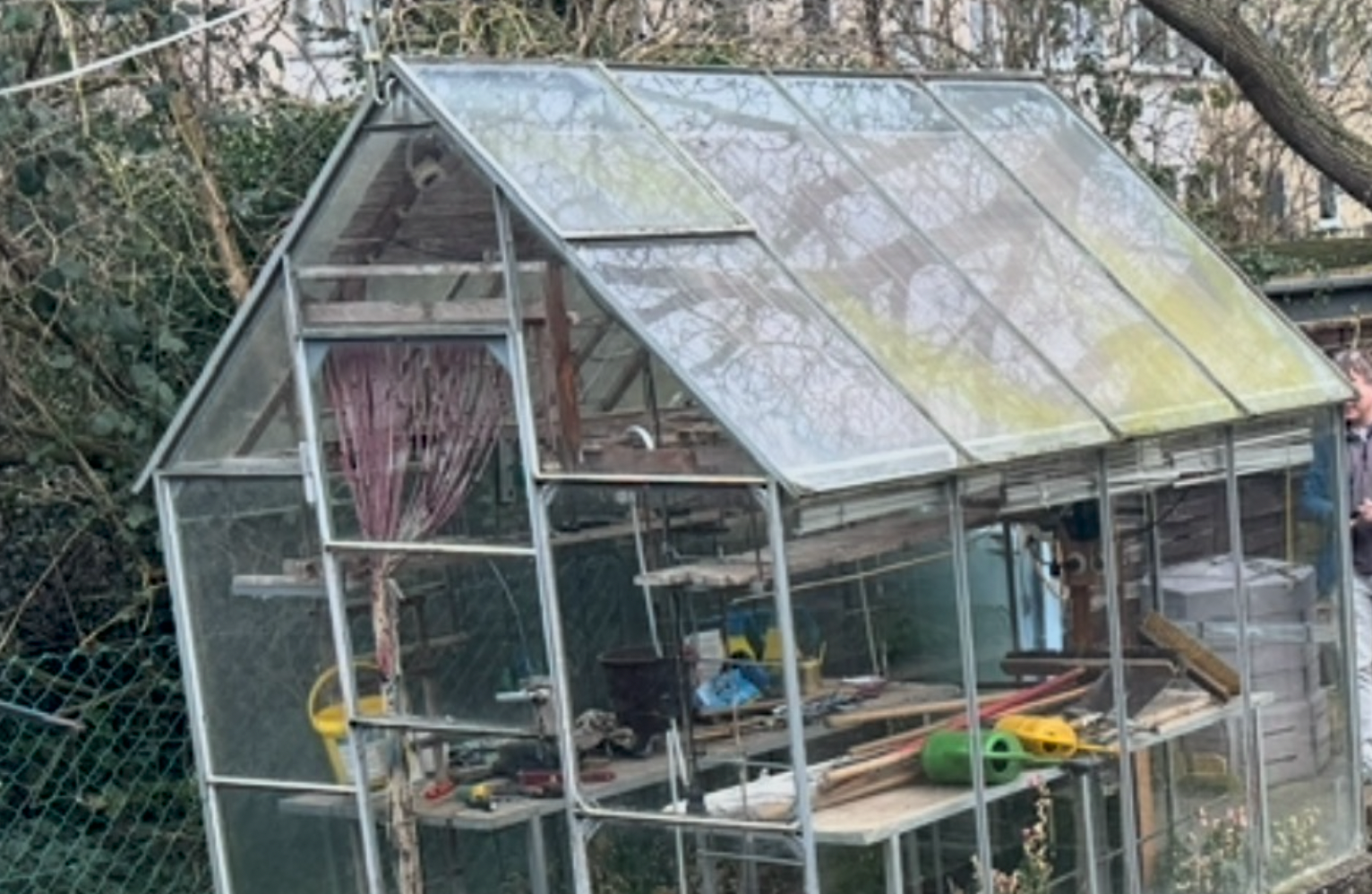
Labours of love
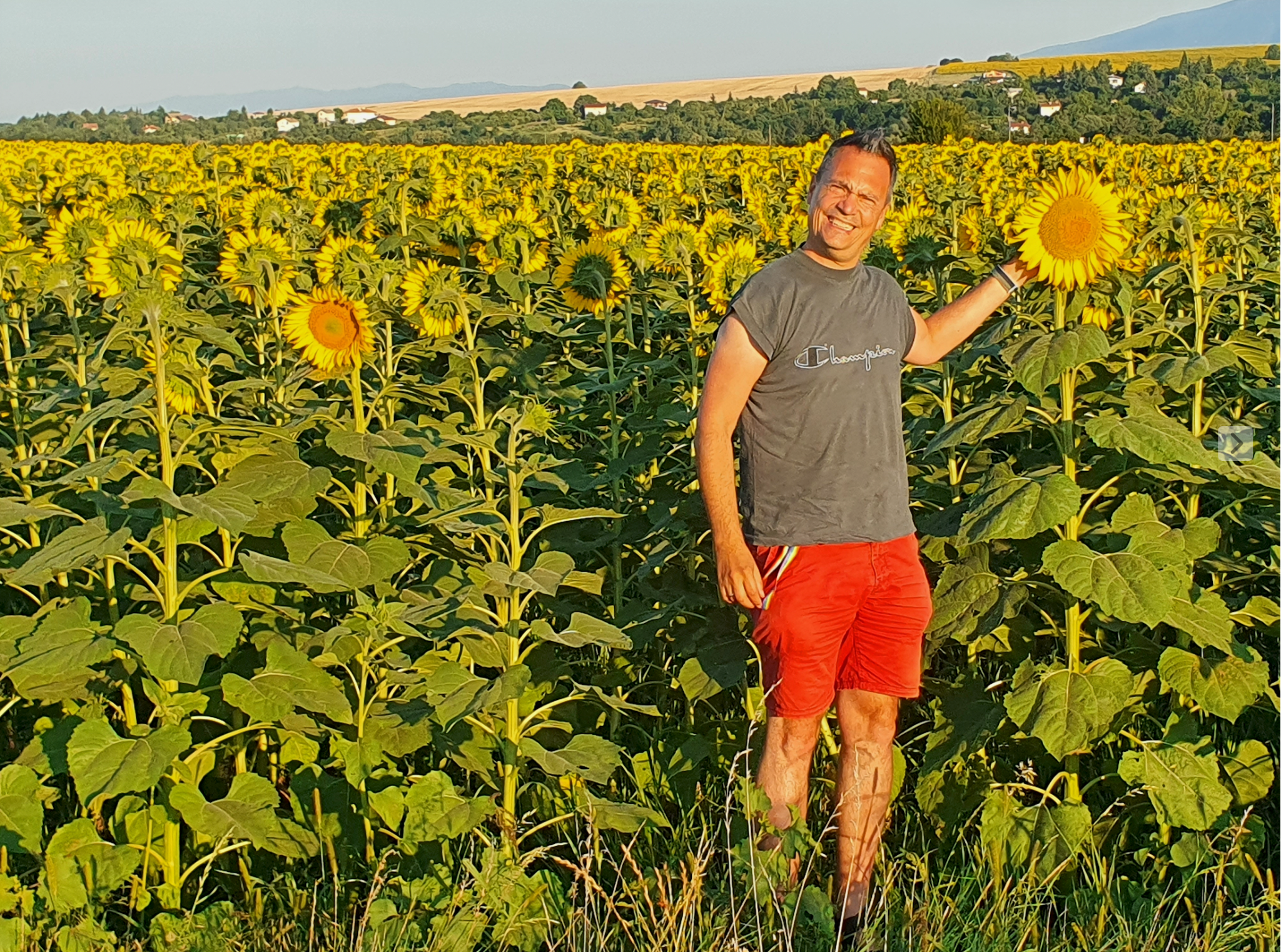
Gardening and harvesting
An allotment garden offers space to grow something with your own hands while clearing your head. Anyone who gardens organically discovers among vegetable beds, wildflowers and compost how much life can thrive on just a few square metres. Home-grown tomatoes, herbs and berries bring as much pleasure as experimenting and chatting over the garden fence. And the lawn is welcome to grow a little wilder – even if the stereotypical allotment gardener is already reaching for a folding ruler, just in case.
Permaculture
Permaculture in an allotment garden means designing the garden so that plants, animals, soil and water work together as well as possible. Mixed planting, perennial plants and protected soil create habitats while also providing fruit, vegetables and herbs. Compost and collected rainwater help retain nutrients and water in the garden and reduce the need for additional inputs. The result is a diverse, productive garden in which natural processes gradually take over part of the work.
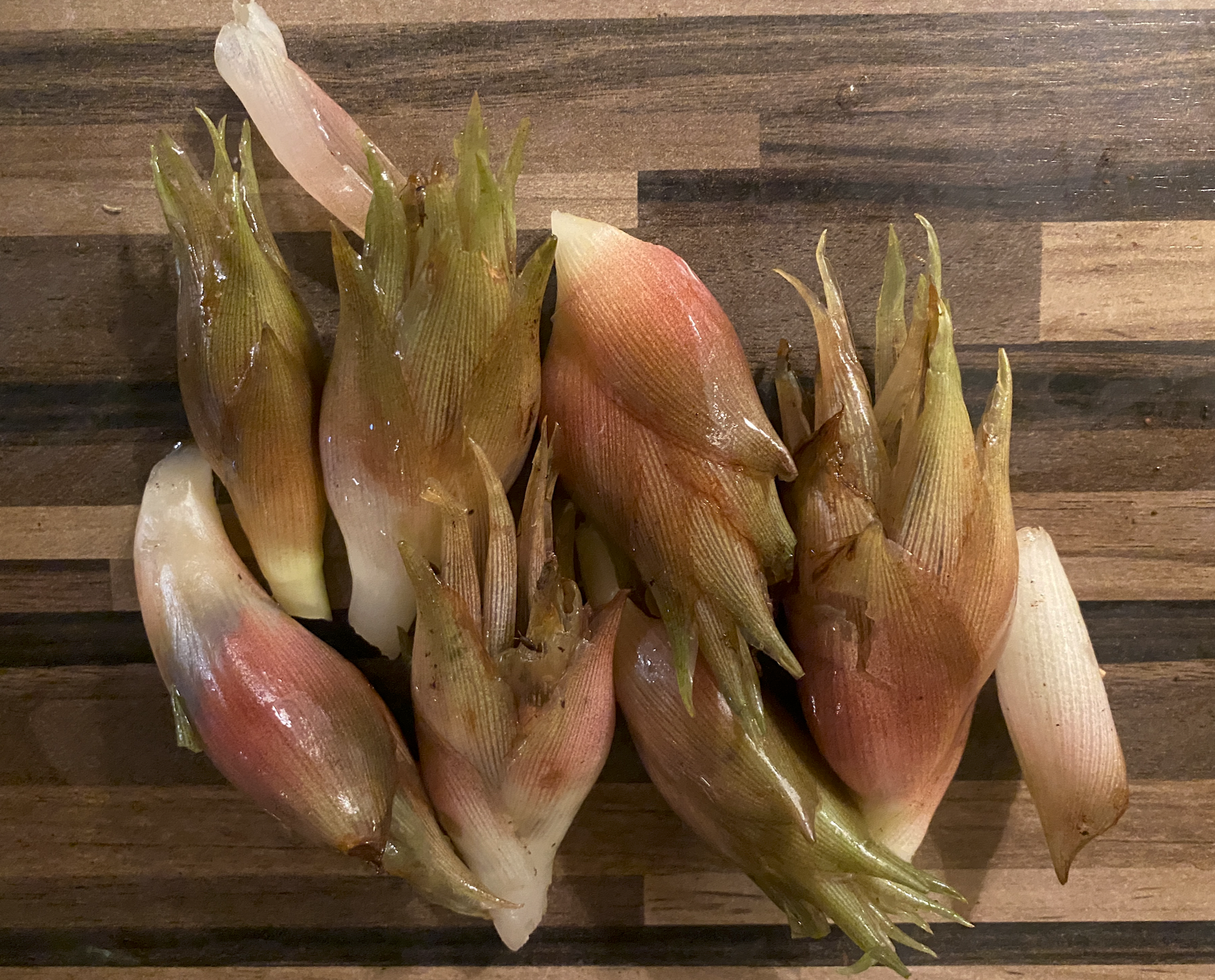
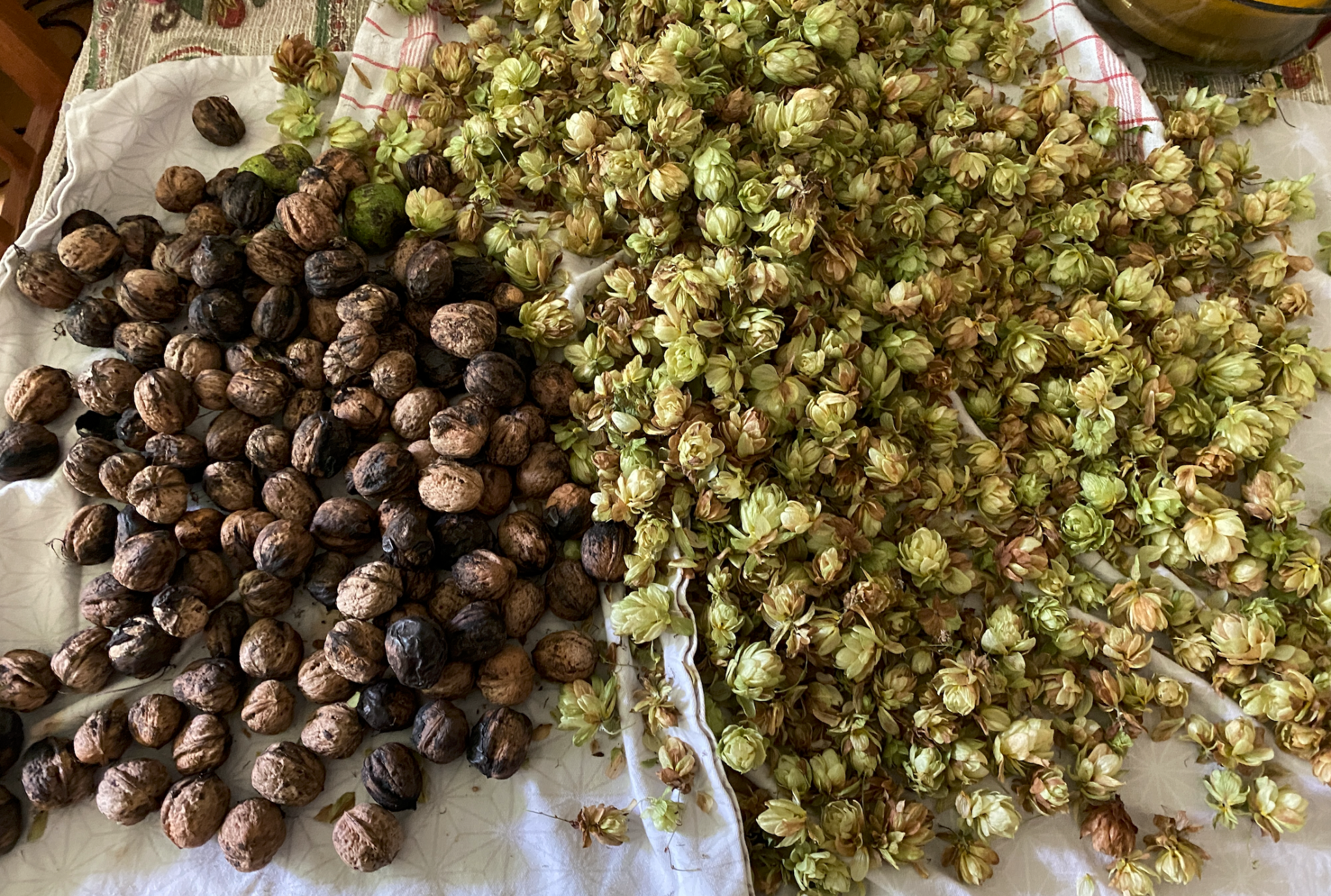
In our garden, a colourful mix of vegetables, fruit and herbs brings variety to the plate – from wild garlic, medlars and berries to Japanese ginger and horseradish. Unlike in many traditional allotments, our harvest season starts early with the first wild garlic and only ends late in the year with the horseradish. In between, there is always something new to discover, harvest and try out in the kitchen. Happily, the garden pays little attention to the idea that after summer there is nothing left to do but tidy up.
Cooking and eating
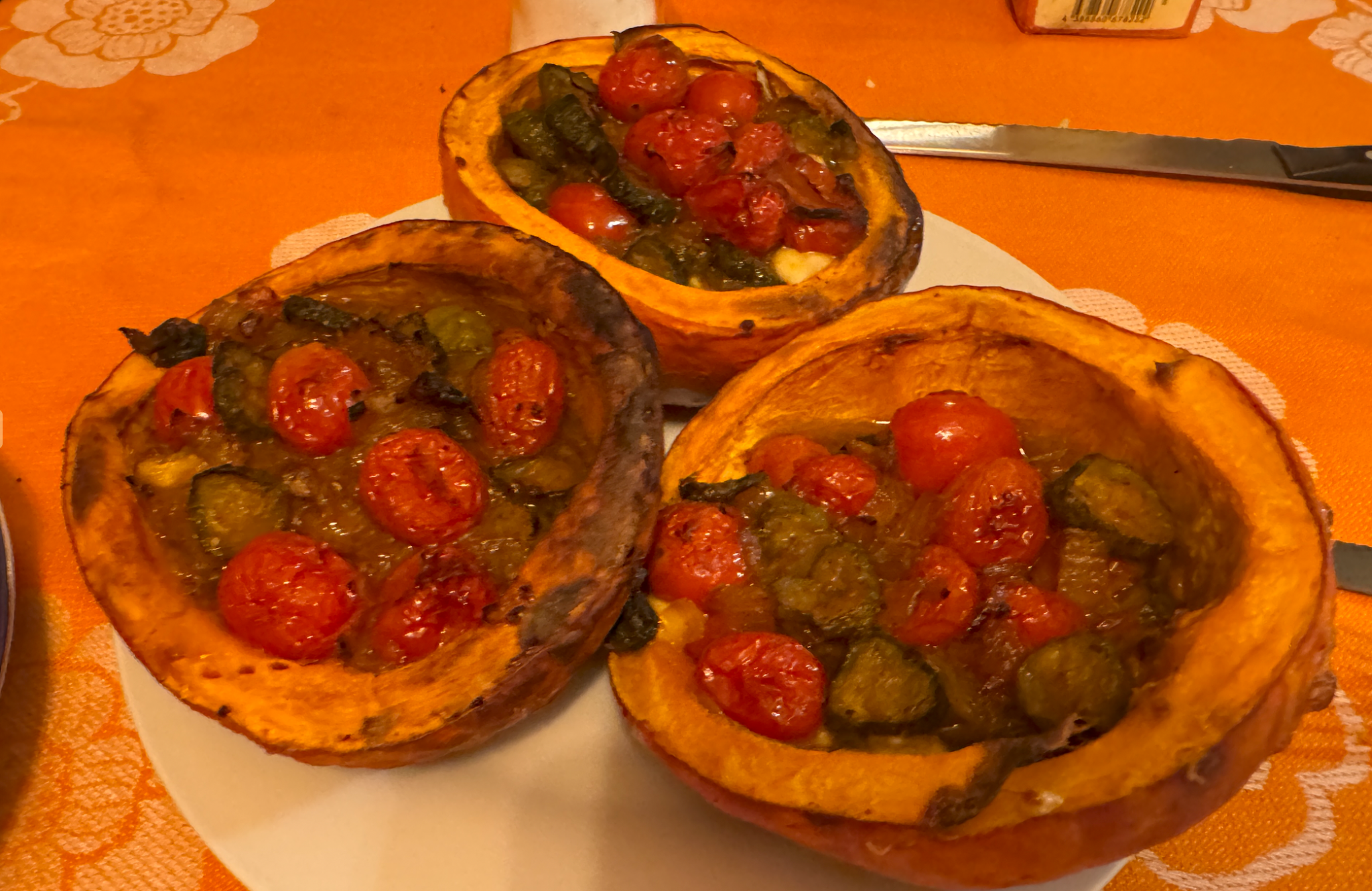
I have always enjoyed preparing food. This is especially true when some of the ingredients come from our own garden or have been gathered in the woods and heathland. Real ingredients, little ready-made food. Tastes better, is healthier. It is fun. I often listen to podcasts while cooking.
Pressing, fermenting, brewing
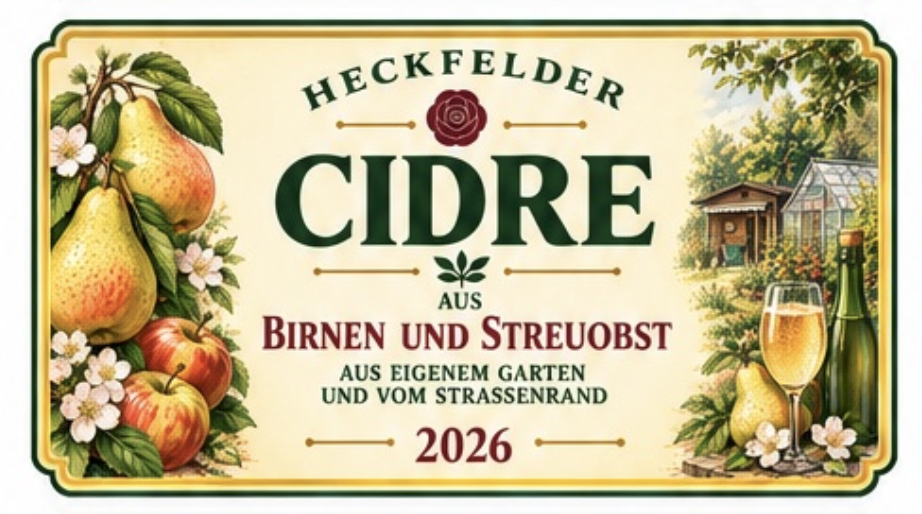
It started in 2013 with the garden and the first fruit liqueur: making my own liqueurs from various spirits, with fruit and/or herbs. Later came fermentation demijohns – initially for cider made from apples and pears, then also for sparkling wine. Since 2022, I have also brewed beer, including with hops from our own garden – even if certain neighbours call them “weeds” and want them gone.
Preserving, jams and chutneys
For me, preserving is part of gardening too: preserving wild garlic, cooking chutneys and making jams. It is fun to combine different fruits and herbs – blackcurrants with mint, for example, as on the labels I designed myself. This way, some of the harvest finds its way into jars and enriches the table even outside the growing season. And a pantry shelf full of homemade preserves is, after all, a rather tasty form of garden documentation.